








SLAVE TRADE: Nigerian cleric petitions Trump over reparations

*Calls for international conference, global fund
*Says Western prosperity rooted in African exploitation
By Clifford Ndujihe
A Nigerian faith-based organisation, Universal Prayer Fellowship, has formally petitioned the Chairman, Board of Peace at the White House, Washington DC, United States of America, demanding what it described as “belated reparations” for the transatlantic slave trade.
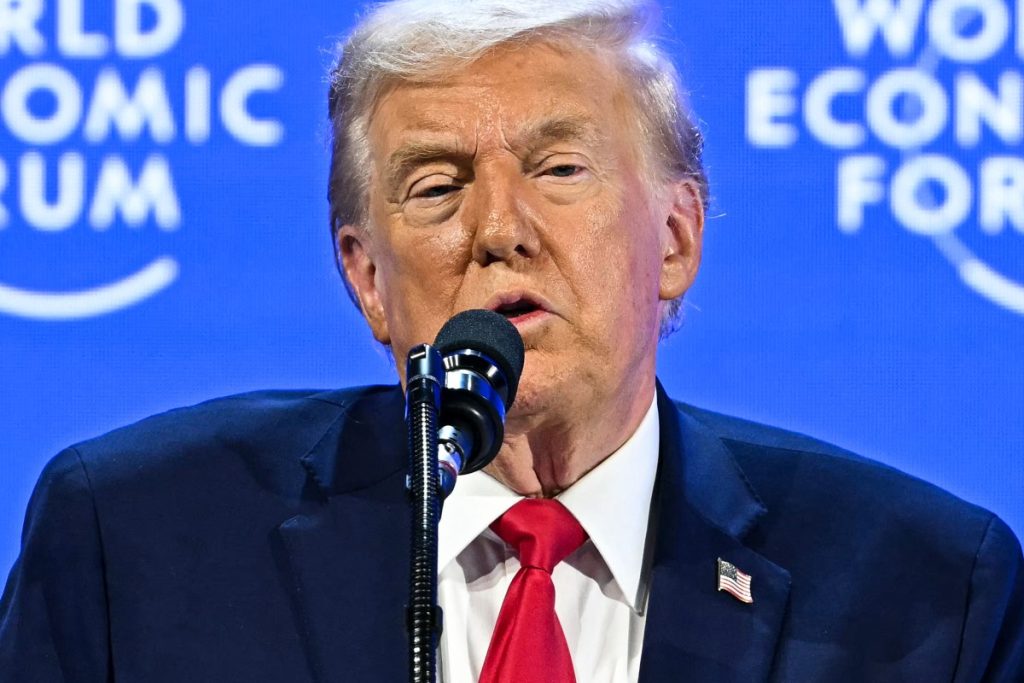
In a January 28, 2026 letter addressed to the United States President, Donald Trum, the group argued that the devastating impact of the slave trade on West and Central Africa remains largely unaddressed and continues to cast a long shadow over the continent’s development.
The letter, signed by the Founder/President of the Fellowship, Evang. Iwuchukwu Ezenwafor, urged the US to take global leadership in convening an international conference to establish a Reparations Fund for Africa.
‘History criminally silent’
The group described the transatlantic slave trade, which spanned roughly four centuries (1480–1870), as “the most vicious and heinous crime against humanity,” noting that over 12.5 million Africans were forcibly shipped across the Atlantic.
“History is criminally silent over the devastating consequences and the indelible scars trailing the inhuman transatlantic slave trade,” the letter stated.
It blamed Portuguese and Spanish traders, later joined by British, French, Dutch and other European merchants, for what it called the systematic depletion of Africa’s human capital.
According to the Fellowship, the raids, kidnappings and sale of Africans created “untold misery” and entrenched poverty, loss of self-worth and generational trauma across West and Central Africa.
“The making of modern Europe and the United States of America is at a massive odious expense of the West Coast and sub-Saharan Africa,” the letter asserted.
‘Western wealth anchored on slavery’
The group argued that the economic rise of Western powers and the Industrial Revolution were significantly driven by profits from slave labour in the Americas.
“The foundation and backbone of the famed Western industrial revolution and wealth creation were literally anchored upon the enormous gains of slavery,” it said.
It recalled that although Britain abolished the trade in 1807 and the United States in 1808, enforcement took decades, with the British Royal Navy intercepting about 1,500 slave ships and freeing over 150,000 captives before the trade was finally suppressed around 1870.
The Fellowship maintained that the social dislocation, cultural destruction and psychological trauma inflicted on African societies remain evident today.
Citing Igbo land as an example, it said: “The communal economic structure and attendant social cohesion were battered… treasured artefacts were vandalised, and cherished customs desecrated.”
It added: “They brought death and went away with hope and life.”
Global reparations fund
As part of what it termed “raising Africa from the ashes,” the group called for the immediate establishment of an international Reparations Fund.
“With the contemporary global leadership placed on the lap of the US, a clarion call for an international conference for Reparations Fund Raising should be made sooner than later,” the letter urged.
It proposed that all nations that benefited from the triangular slave trade undertake self-assessment and contribute resources over an extended period to finance rebuilding efforts in affected African communities.
The Fellowship suggested the creation of an independent Fund Management Board to oversee the mobilisation and deployment of resources for life-transforming projects across beneficiary communities.
“The prime assignment will be to directly impact the reparation beneficiary communities with essential life-transforming projects that would remain symbols of justice and humanitarian legacies of all times,” it said.
It added that contractors and supervisors of such projects should be independent of host governments to ensure transparency and accountability.
Migration crisis, moral imperative
The group further linked Africa’s current migration challenges to the long-term consequences of slavery and colonial exploitation.
“The only sane and plausible approach to curtailing the prevailing migration crisis across Western economies caused by especially Africans is to toe the line of the aforementioned action plan,” it stated.
It argued that restitution would help reset what it described as a “loss of self-worth syndrome” among Africans and trigger a positive transformation.
“We cannot continue any longer to downplay such a scary assault and capital crime. A matter of this magnitude can never be swept under the carpet,” the letter said.
Swift response
The Fellowship expressed hope that the US would take the lead in what it described as a historic moment of justice, equity and fairness.
“We thank you in anticipation of your kind consideration and your usual swift response,” the letter concluded.
As debates over slavery reparations gain traction globally, the petition adds a fresh Nigerian voice to the growing call for formal restitution and structured redress for centuries of exploitation.
The post SLAVE TRADE: Nigerian cleric petitions Trump over reparations appeared first on Vanguard News.